UMMA Appoints Kelly Kivland as Deputy Director of Curatorial Affairs
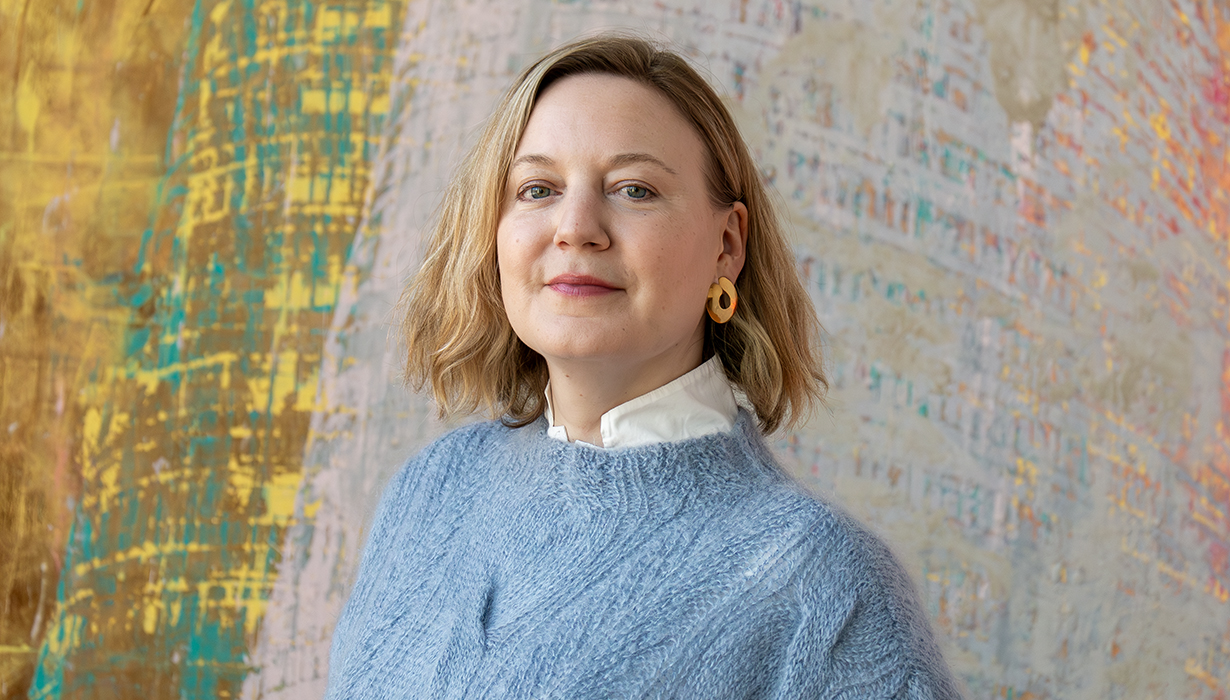
Nationally Recognized Curatorial Leader to Shape UMMA’s Exhibition Strategy
February 2026—The University of Michigan Museum of Art (UMMA) announced today that Kelly Kivland will join as Deputy Director of Curatorial Affairs to lead the museum’s curatorial vision and exhibition program.
Kivland joins UMMA following two decades of curatorial and executive leadership at the Wexner Center for the Arts, Dia Art Foundation, and most recently Michigan Central Art in Detroit. She is recognized for building ambitious, interdisciplinary curatorial programs that integrate exhibitions, residencies, performance, and public engagement into cohesive institutional frameworks. Her work positions art as connective tissue across disciplines—linking artistic research to civic life, academic inquiry, and technological innovation.
At UMMA, Kivland will work in close partnership with Museum Director Christina Olsen and senior leadership to shape a forward-looking exhibition program that strengthens the museum’s national and international visibility. She will oversee the Museum’s artistic program across curatorial strategy and residencies and commissions, and steward the museum’s collection and acquisition strategy, cultivating projects that travel beyond Ann Arbor while also deepening engagement with the U-M campus and surrounding communities. Kivland will begin her new role on March 2, 2026.
“We are thrilled to welcome Kelly to UMMA at this pivotal moment,” Olsen said. “She brings an extraordinary record of curatorial leadership at institutions that have shaped art-world discourse nationally and around the world. Her commitment to creative risk, collaboration, and civic dialogue aligns powerfully with UMMA’s mission and increasingly ambitious program.
“I am honored to join UMMA as Deputy Director of Curatorial Affairs,” said Kivland. “I’m particularly excited about joining an institution that can bridge artistic experimentation with public life. UMMA’s deep engagement with all aspects of the University of Michigan and the place it holds in the surrounding community creates a rare opportunity to cultivate projects that are field-leading, intellectually rigorous, and broadly accessible. The museum can serve as a flexible connector linking artists, students, scholars, and neighbors in conversations they wouldn’t be having otherwise.”
She brings an extraordinary record of curatorial leadership at institutions that have shaped art-world discourse nationally and around the world. Her commitment to creative risk, collaboration,
More from UMMA