Exhibition Tour: American Sampler — with Labadie Curator Julie Herrada
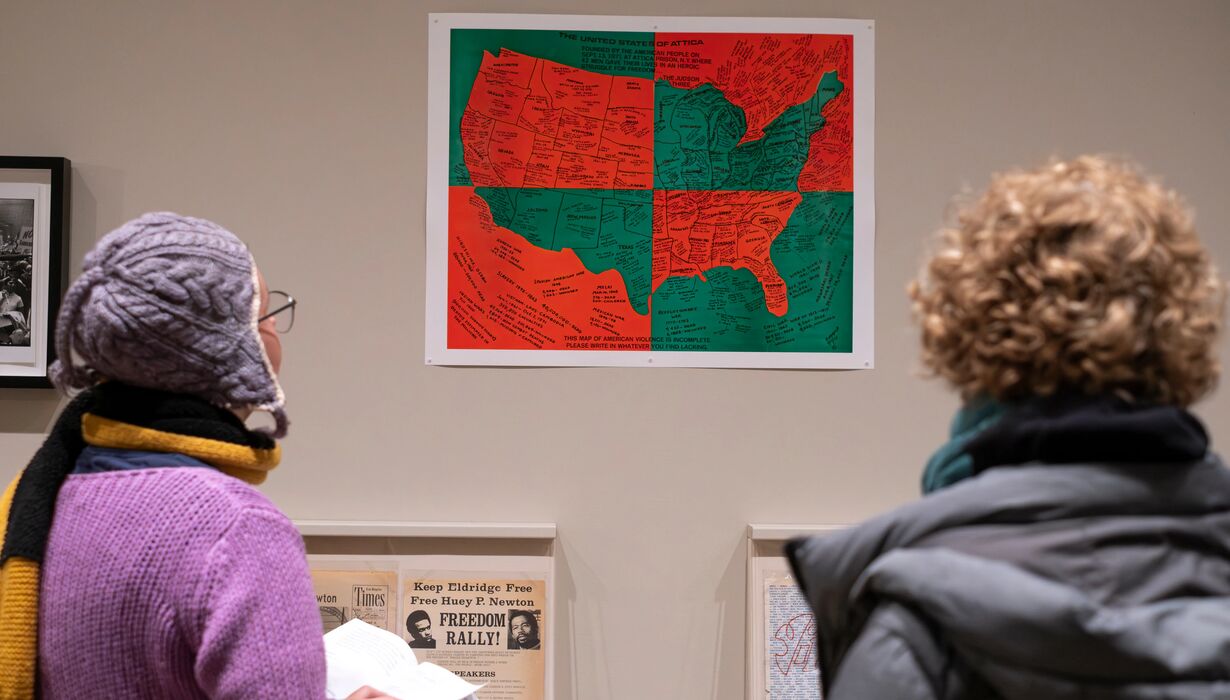
Julie Herrada, Curator of U-M’s Joseph A. Labadie Collection, will lead a tour of American Sampler: Activating the Archive.
This research-driven, immersive exhibition in UMMA’s Vertical Gallery is a collaboration with the Joseph A. Labadie Collection of anarchism, protest, and social movements housed in the U-M Library’s Special Collections Research Center.
The exhibition centers on 1950s–1970s movements for Black freedom, civil rights, and antiwar activism, clarifying the aspirations and effects as well as the violent opposition these movements encountered. American Sampler invites visitors to examine how legacies of grassroots organizing and protest in U.S. history shape the present. This ambitious project is the inaugural collaboration of the new Labadie Collection and UMMA Fellowship Program.
Free and open to the public, registration required.
More About Julie Herrada
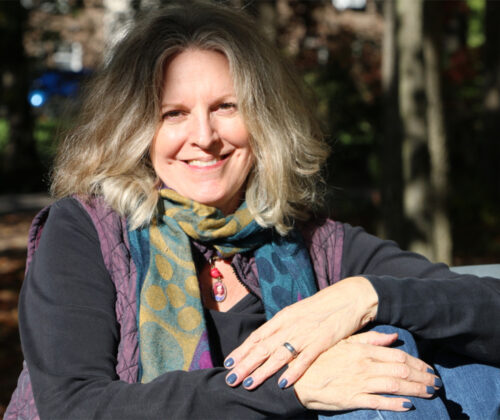
Julie Herrada is the Curator of the Joseph A. Labadie Collection at the University of Michigan’s Special Collections Research Center, overseeing materials on international social protest movements. In this role she introduces classes to the study of primary sources, curates exhibits, assists global researchers, and works to preserve and share overlooked histories. Highlights of her outreach include organizing the 50th anniversaries of the Port Huron Statement (2012) and the first Teach-In against the Vietnam War (2015). She has published book reviews and journal articles, including the widely cited Letters to the Unabomber. Her notable exhibitions include The Whole World Was Watching: Protest and Revolution in 1968; Soapboxers & Saboteurs: 100 Years of Wobbly Solidarity; and Joseph Labadie and His Gift to Michigan: A Legacy for the Masses.
SUPPORT
Lead support for this exhibition is provided by Joseph and Annette Allen, Nicole and Matthew Lester, Erica Gervais Pappendick and Ted Pappendick, Catherine Glynn Benkaim and Barbara Timmer, Susan and Richard Gutow, U-M Arts Initiative, U-M Institute for the Humanities, the Mary L. Wolter Welz Fund, and the Marvin H. and Mary M. Davidson Endowed Fund. Additional generous support is provided by U-M CEW+ Frances and Sydney Lewis Visiting Leaders Fund, U-M National Center for Institutional Diversity Inclusive History Project, U-M Initiative for Democracy & Civic Engagement, U-M Department of History, and U-M Eisenberg Institute for Historical Studies.